

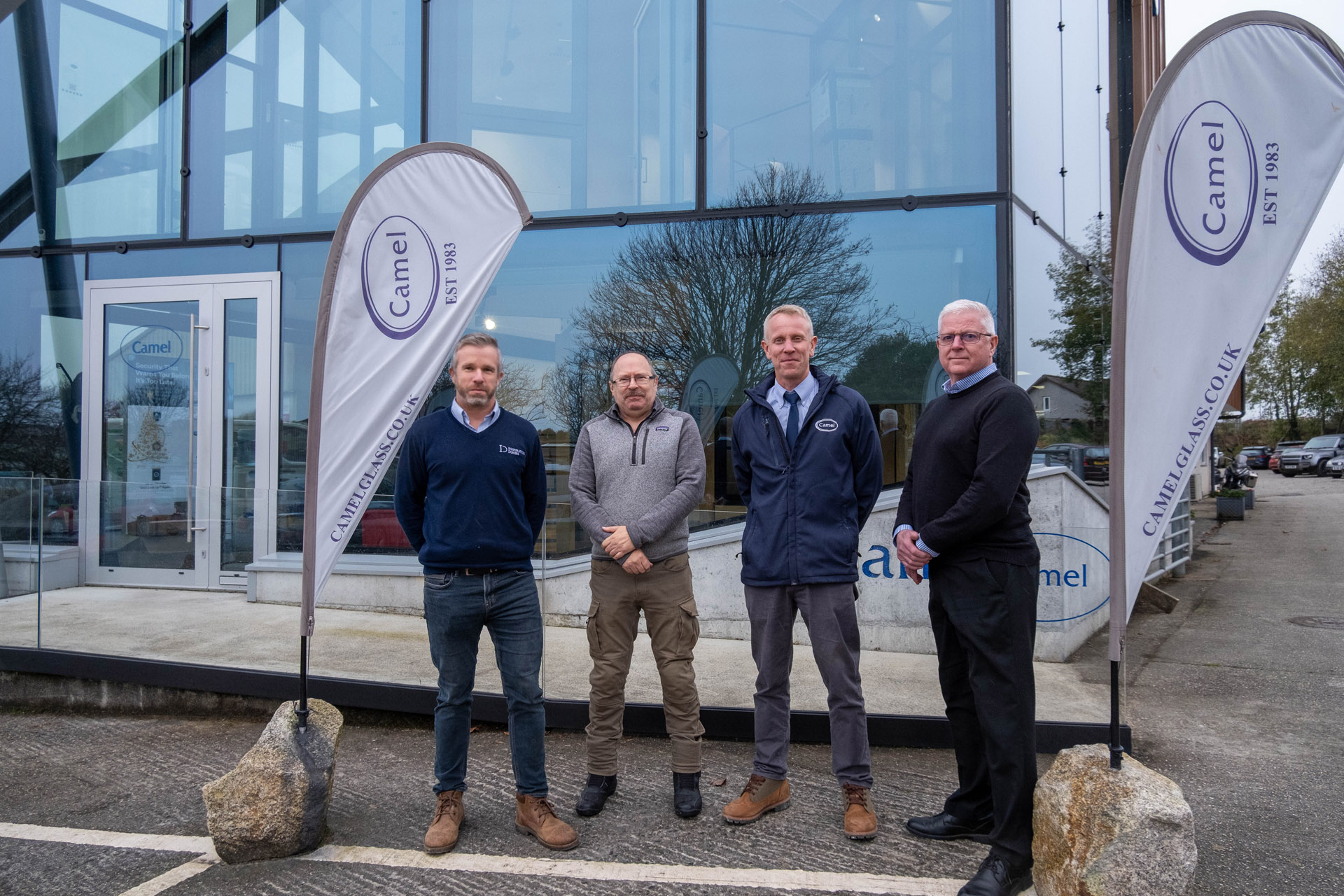
Camel Glass & Joinery Ltd Case Study – Inspiration Doors Project

Wadebridge firm cuts carbon in door manufacturing thanks to D4M support

Support:

Impact:

Summary 
Camel Glass & Joinery Ltd engaged with local expert manufacturing advisers to examine and improve the production of their specialist Inspiration Doors line. By applying innovative thinking, specialist manufacturing expertise and data-driven insights, the project delivered by Oxford Innovation Advice’s D4M programme, successfully reduced carbon usage, increased productivity and enhanced process reliability. This partnership demonstrates how tailored SME support can accelerate growth for ambitious manufacturers in Cornwall and the wider South West.
Company Background
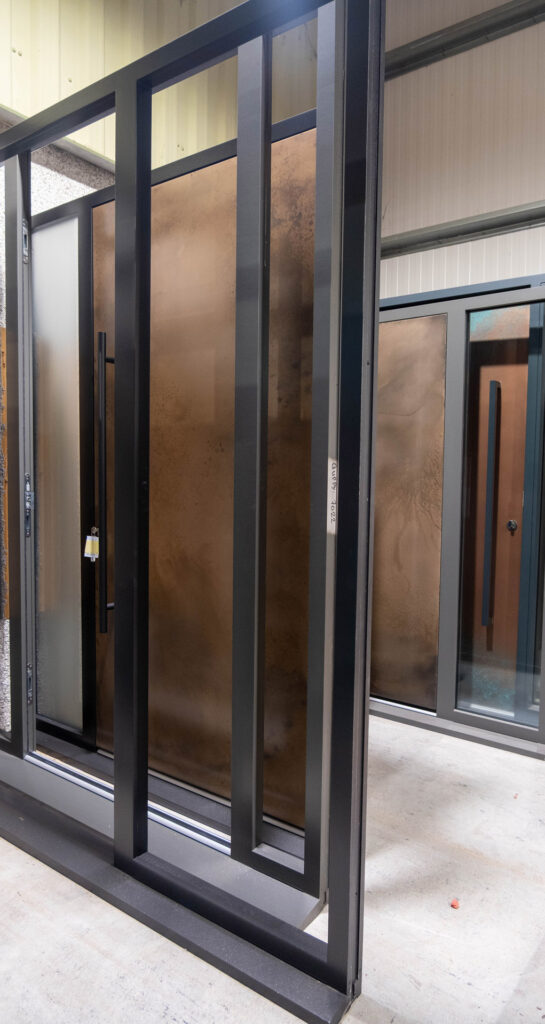
Founded in 1989, Camel Glass & Joinery Ltd is a family-run glazing and joinery business with over 35 years’ experience serving Cornwall and North Devon. Over the decades, the company has grown through their commitment to craftsmanship and innovation. This approach has led to the creation of their Inspiration Doors range- distinctive, handcrafted entrance doors with unique finishes.

The company expanded into bespoke joinery in the early 2000s and opened a second site in 2010. In 2015 they launched the Inspiration Doors line, introducing new finishes and materials that earned industry recognition for design excellence in 2022.

The Challenge
As demand for the premium Inspiration Doors range grew, Camel Glass were aware that their production bottleneck was in the finishing process. The achievement of the patina of the door finish is sensitive to both process and environmental variables, which can extend lead times and incur additional costs related to the generation of heat required for the process.

These challenges limited throughput, increased rework and affected the ability to forecast lead times reliably—common issues faced by ambitious SME manufacturers navigating scale and innovation simultaneously.

Energy usage was also significant, particularly in colder months, incurring an environmental cost that the business was keen to reduce. The company sought a more predictable, efficient and sustainable way to maintain door quality whilst increasing capacity.

The Solution
The Oxford Innovation Advice D4M team brought specialist SME expertise and an unrivalled understanding of local manufacturing challenges, guiding Camel Glass through a structured improvement programme of support:

  • The manufacturing workflow was mapped in detail, identifying process variables affecting quality and lead time.
  • Data insights were used to pinpoint and quantify environmental factors driving inconsistency.
  • Innovative new heat-source technology was introduced and trialled, designed to be more energy efficient and suitable for automated, out-of-hours operation.
  • A controlled curing environment and automation system was supported by the D4M technical specialist to safely continue production overnight and at weekends.
  • A prioritised action plan enabled the team to implement improvements at pace and with minimum disruption.

This solution leveraged both the regional strengths of Cornwall’s advanced manufacturing ecosystem and the D4M team’s ability to facilitate innovative solutions powered by people, technology and data.

The approach also ensured responsible practices were embedded—reducing carbon use, improving energy efficiency and supporting sustainable growth.

The Benefits
The improvements transformed process reliability and output:

  • Greater productivity and capacity further enhanced through automation
  • Reduced carbon footprint and lower energy costs thanks to the switch to a more efficient heat source.
  • Consistent high-quality finishes with reduced rework and fewer process deviations.
  • Improved forecasting accuracy that enabled better customer experience and operational planning.
  • Enhanced team engagement that resulted in staff taking ownership of an improved, leaner workflow.

These gains illustrate how specialist business expertise accelerates the growth of ambitious SMEs, allowing Camel Glass to maintain its bespoke artisan quality whilst scaling responsibly and improving production efficiency.

The Future
Camel Glass and Joinery continue to build on the momentum created through the project. They are now:

  • Applying data-driven decision making to wider infrastructure improvements, including alternative energy feasibility studies.
  • Using the ROI demonstrated from the heat-source transition to inform broader sustainability planning.
  • Embedding continuous improvement practices to support future product innovations.
  • Developing new and innovative door finishes to further increase sales.

Their journey demonstrates the impact of expert SME support aligned with regional ambitions, helping Cornwall’s manufacturing sector progress towards a greener, more competitive future.
St Eval

A Unified Approach to Productivity, Sustainability and Innovation

Oxford Innovation Advice’s support for St Eval was grounded in an unrivalled understanding of the challenges faced by ambitious SME leaders. By combining strategic funding expertise with hands-on digital and manufacturing guidance, the team designed an innovative, end-to-end solution that leveraged exceptional people, technology and data insights. This integrated approach not only accelerated St Eval’s growth but reflected our commitment to responsible practices that positively impact the environment and local communities.

St Eval approached Oxford Innovation Advice in early 2024 seeking guidance on how to unlock growth, improve production efficiency and strengthen their sustainability commitments. Rather than treating their goals as separate challenges—grant funding, process optimisation and digital monitoring—the Access to Finance+ (A2F+) and Digitisation for Manufacturers (D4M) programmes worked together to create a single, integrated support pathway.

This joined‑up approach, from these two Cornwall Council funded economic development programmes, meant that St Eval received both strategic investment guidance and hands‑on technical expertise, forming a comprehensive solution that enabled them to design, fund and implement improvements that no standalone business support initiative could have delivered.

Company Background

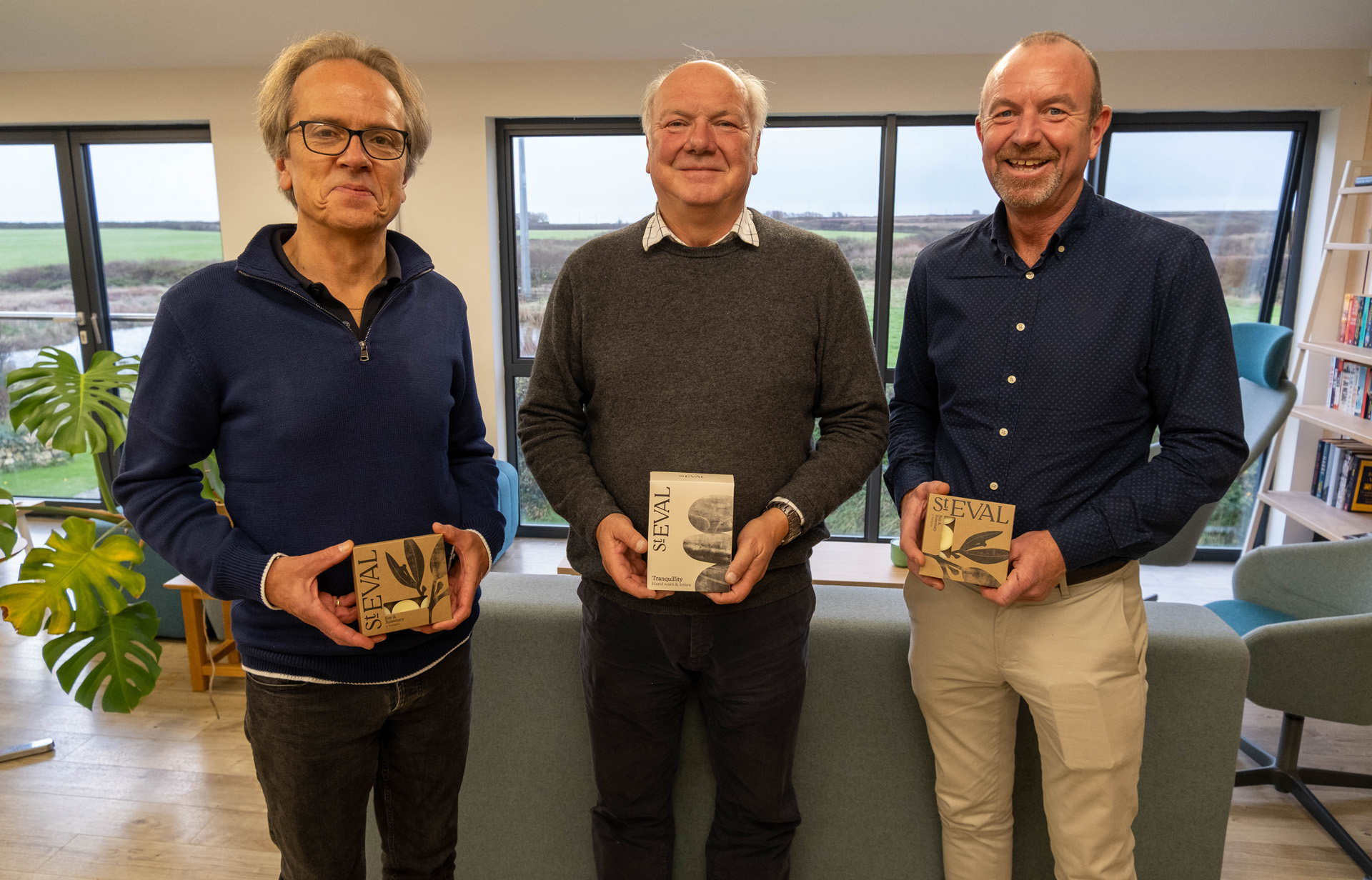
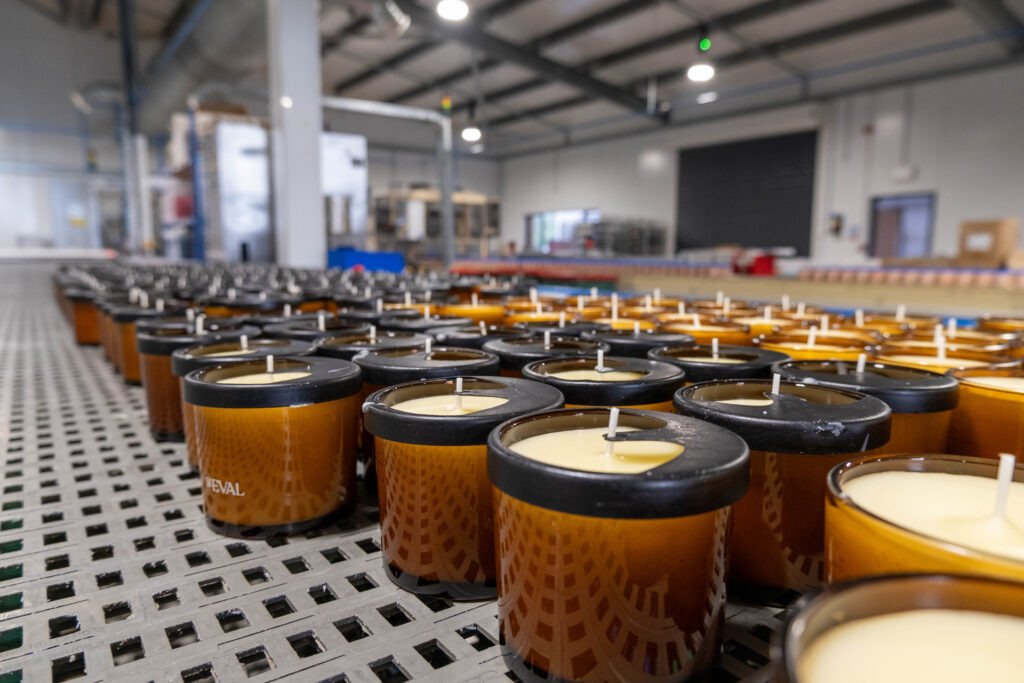
Founded in 1995, St Eval blends traditional candle‑making techniques with contemporary creativity. Inspired by the Cornish landscape, they craft fragrances drawn from nature and pour them into beautifully made candles using both heritage equipment—such as their 1940s drawing machine—and modern manufacturing methods.

With B‑Corp status and ambitions to reach net zero, St Eval places people and planet at the centre of their operations. Their values focus on keeping traditions alive while investing in sustainable processes that protect the environment.

The Challenge

St Eval needed a holistic plan to increase manufacturing capacity, modernise key production areas and ensure their renewable energy generation could keep pace with growth. Their objectives included:

  • Expanding production capability from 500 to 2,000 units per hour
  • Introducing new condition‑monitoring technology and increased automation
  • Upgrading their oldest building with new roofing and insulation to enhance energy efficiency
  • Investing in additional onsite renewable energy generation to remain close to self‑sufficient and carbon neutral

They also recognised that temperature and environmental conditions—both ambient and within the wax production process—could significantly affect quality and throughput. To overcome these challenges, they needed both funding support and specialist technical input.

The Integrated Solution

The strength of support came not from separate services, but from the way A2F+ and D4M worked together as one coherent package.

Strategic Investment Support

This element of the partnership reflected the specialist business expertise in accelerating the growth of ambitious SMEs. The A2F+ team ensured St Eval could clearly articulate how its plans aligned with both business objectives and regional aspirations—demonstrating how the company’s growth would contribute to Cornwall’s wider economic and sustainability goals.
Tim Bagshaw from A2F+ guided St Eval through the process of building a compelling, evidence‑led case for investment. This included:

  • Application reviews and detailed feedback
  • Advice on messaging, terminology and impact framing
  • Identifying how the different elements of St Eval’s plans connected, and ensuring the grant proposal reflected this integrated approach

This work supported St Eval in securing a £276,280.50 grant from the Cornwall Council Good Growth Fund toward their £552,561 programme of improvements.

“For St Eval as a manufacturing business, the Oxford Innovation Advice programmes provided a great mix of strategic funding advice and practical manufacturing support. This allowed us to drive forward connected initiatives that improved productivity and sustainability at their Engollen site.”
Tim Bagshaw

Technical and Digital Manufacturing Support

In parallel, the D4M team carried out a detailed site visit and manufacturing diagnostic to understand where digital and process improvements could make the biggest difference.

Recognising the sensitivity of candle production to temperature, humidity and air quality, the D4M technical specialist designed and specified:

  • A networked sensor system to monitor wax temperature and ambient conditions in real time
  • Microcontroller‑based monitoring nodes, dashboarding and data‑processing capabilities
  • Optional CO₂ and VOC monitoring for enhanced health and safety insights

The result was a shift from manual spot‑checking to continuous, data‑driven production control.

A Combined and Bespoke Service

St Eval highlighted that the real impact came from how the Oxford Innovation Advice business support programmes were intentionally connected. The integrated support pathway, rooted in deep SME understanding and tailored to Cornwall’s regional strengths, created a uniquely comprehensive level of service. This combination of strategic analysis, technical innovation and data-led manufacturing guidance enabled St Eval to move faster, with greater confidence, and with long-term community and environmental benefits.
St Eval emphasised that the value lay in how the programmes connected. The coordinated support enabled them to:

  • Understand what they needed to invest in
  • Build the case to secure funding to pay for those improvements
  • Access technical expertise to implement the improvements effectively

This full end‑to‑end support is not available through any other business support initiative in Cornwall. It provided St Eval with a coherent pathway from idea to execution, strengthening the outcome of every part of the project.

“The D4M team helped us enhance our manufacturing capability, while Tim from A2F+ guided us through the grant process, helping us present our project clearly and effectively. Together, this support helped us secure a £250,000 grant. No standalone service could have delivered this level of integrated support.”
Ian Greaves – St Eval

The Benefits

Enhanced Production and Quality
Real‑time environmental monitoring now allows St Eval to optimise production line speeds, improving productivity without compromising product quality.

Workforce Upskilling
By involving the production engineer and apprentices in the build and deployment of sensor systems, the team gained practical skills including:

  • PCB design
  • Soldering
  • Microcontroller programming (Micropython)
  • Linux fundamentals, containerisation (Docker) and data handling via InfluxDB

Secured and Created Jobs
Combined investment in automation, building improvements and renewable energy generation will:

  • Create at least five new jobs
  • Safeguard an additional five
  • Support long‑term resilience against energy costs and grid instability

Strengthened Sustainability
Modern insulation materials, improved ambient control and increased renewable energy generation all contribute to reducing carbon impact and supporting St Eval’s ongoing net‑zero ambitions.

“The upgrades at St Eval have not only improved their production processes but also strengthened their energy resilience. The combination of modern insulation, enhanced renewable energy and smart battery solutions ensures cleaner, more stable operations and protects product quality.”
Paul Gilbert

The Future

As these projects progress, the partnership continues, reflecting the commitment to delivering SME support that leverages regional strengths to achieve regional aspirations. The next phase of monitoring and energy enhancement deepens St Eval’s responsible business practices, aligning with the shared mission to create positive environmental and community impact.

The wider energy and production facility upgrade is ongoing, with impact expected from early 2026. Meanwhile, the digital monitoring framework continues to evolve, with a new project underway to implement continuous formaldehyde monitoring for two production areas.

Together, these improvements position St Eval to innovate further, open new markets and continue delivering positive environmental and community impact.

The Access to Finance Plus and Digitisation for Manufacturers project is funded by the UK Government through the UK Shared Prosperity Fund. Cornwall Council is responsible for managing projects funded by the UK Shared Prosperity Fund through the Cornwall and the Isles of Scilly Good Growth Programme.

Privacy Overview

This website uses cookies so that we can provide you with the best user experience possible. Cookie information is stored in your browser and performs functions such as recognising you when you return to our website and helping our team to understand which sections of the website you find most interesting and useful.

Read more about our Cookies Policy here.